Memphasys: From Lab Bench to Commercial Breakthrough – 2026 Shapes Up as a Watershed Year

It’s not often that a small-cap ASX biotech genuinely turns the corner from development to commercial traction, but Memphasys (ASX: MEM) may have just done exactly that - and without waiting for the regulatory starting gun.
Today’s ASX announcement from the reproductive biotech outfit revealed a crucial early order of 500 Felix™ cartridges from Middle Eastern partner International Technical Legacy (ITL), made before CE Mark approval has even landed. That’s roughly A$40,000–$75,000 in expected revenue being booked ahead of the formal regulatory nod – the commercial equivalent of banking runs before the first whistle.
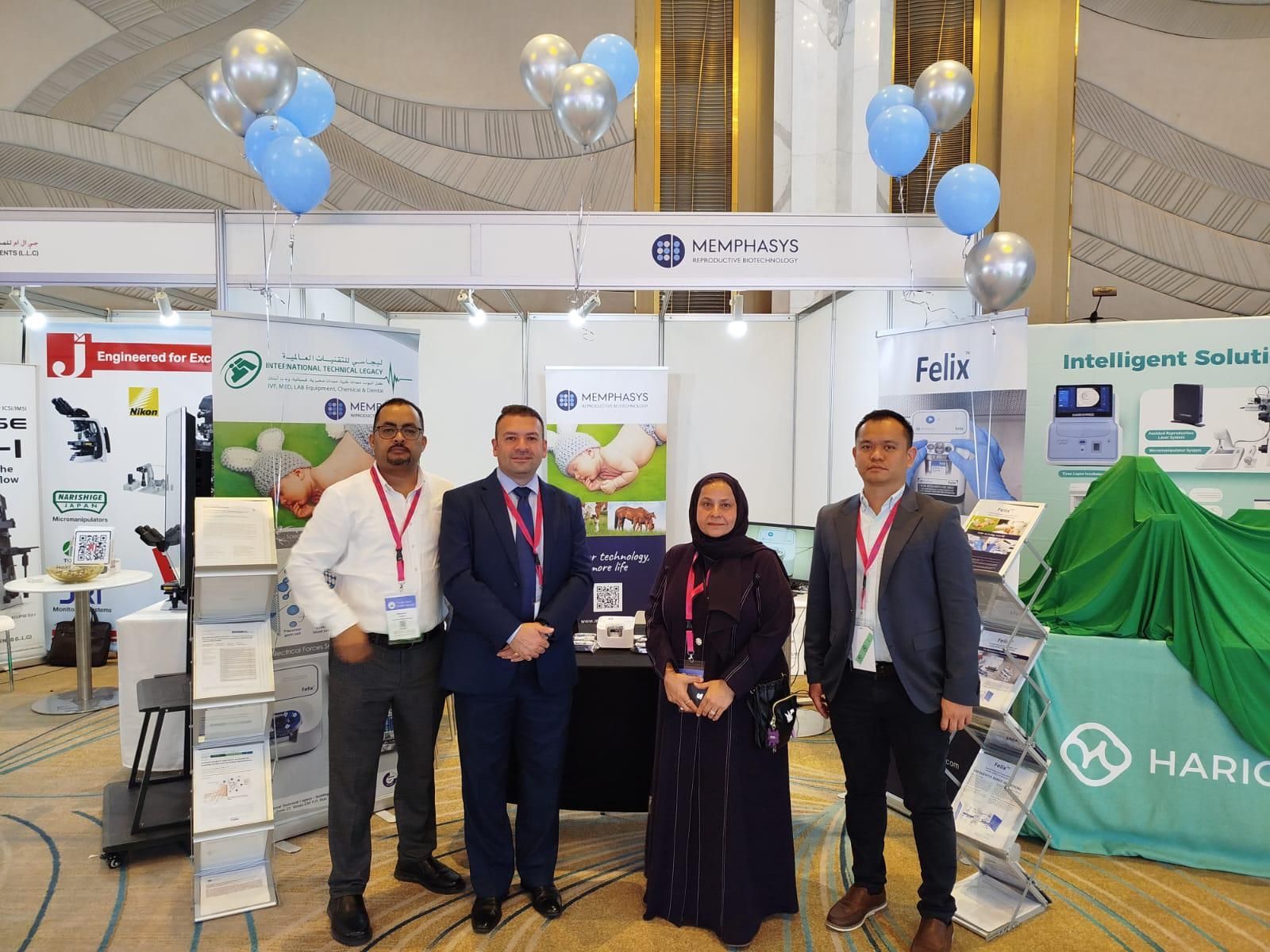
This premature but enthusiastic order is no contractual formality. Under the five-year distribution deal signed with ITL, the minimum cartridge order was only due once the Felix™ system received its CE Mark, expected in early 2026. Instead, strong demand from IVF clinics in Qatar and the UAE has led to this early activation, a development Memphasys attributes directly to its direct-selling commercial model.
This is not just a tweak to go-to-market strategy - it’s the culmination of a strategic pivot that saw the company shed its CEO earlier this month, replacing top-down executive structure with a boots-on-the-ground business development offensive. With operational veteran Dr Hassan Bakos now spearheading the effort as Director - Clinical Engagement and Growth, the company is betting on intimacy with IVF clinics rather than distance via distributors.
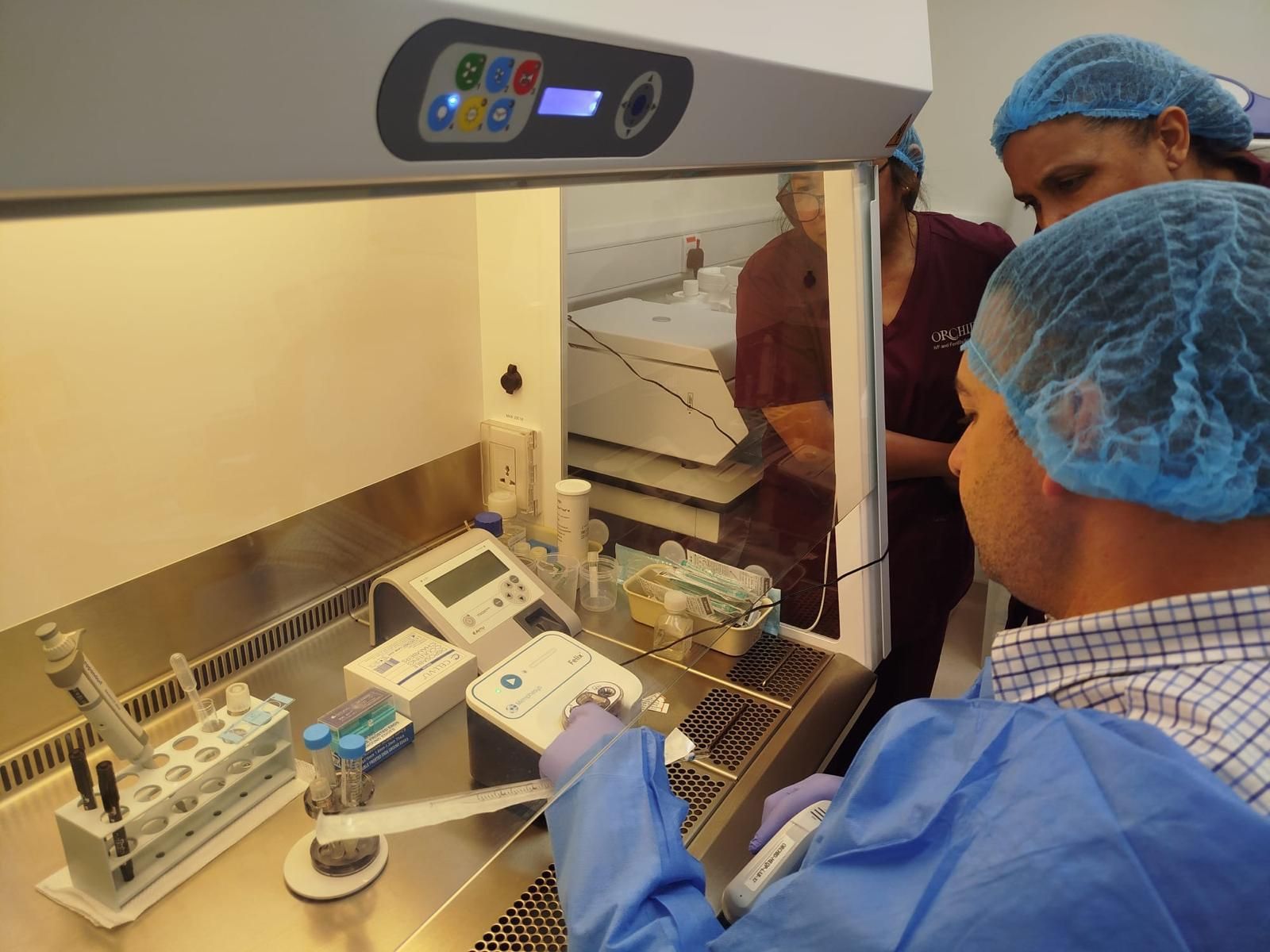
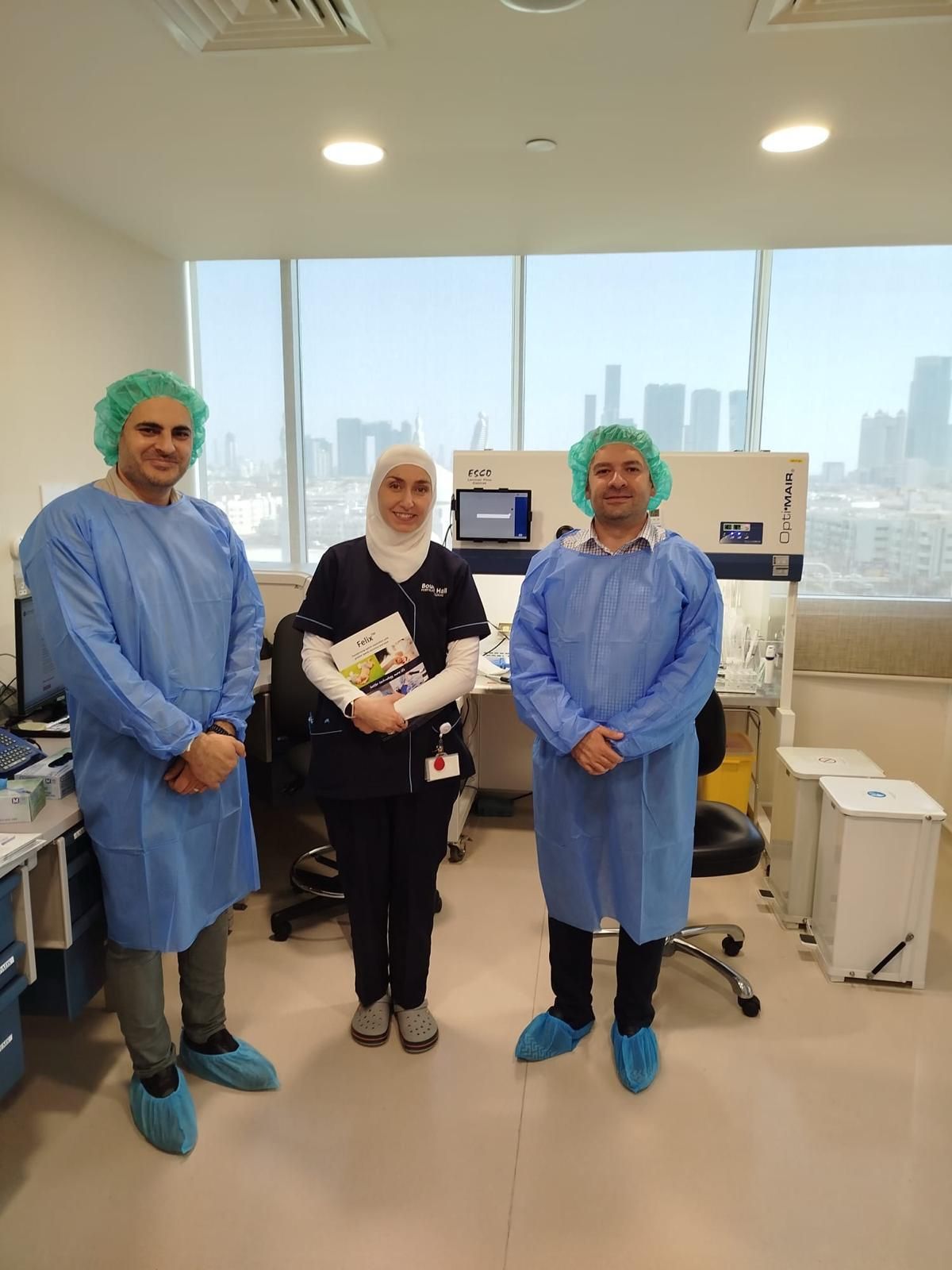
Bakos’ recent whirlwind tour of roughly 15 IVF clinics in the Gulf states appears to have paid off. Each clinic represents a recurring cartridge revenue opportunity of A$100,000 to A$300,000 per annum once the Felix system is fully adopted. His hands-on demonstrations and workflow integration efforts have made sites “switch-ready,” meaning they can flick to active usage of Felix the moment the CE Mark comes through.
Chair of the Commercialisation Committee, Marjan Mikel, put it plainly: “This outcome reflects disciplined commercial execution... ITL’s decision to place a 500-cartridge order ahead of the contractual trigger demonstrates genuine confidence in Felix™”.
The direct-selling strategy is particularly tailored for regions like the Middle East, where large-scale IVF operators prefer vendor relationships built on education and clinical collaboration, not just sales brochures. It's this bottom-up clinical demand - as opposed to top-down distributor push - that has brought Memphasys closer to recurring revenues with real visibility.
More broadly, 2026 is shaping as the year Memphasys moves beyond hopeful projections and into revenue realisation. The long-awaited CE Mark will unlock not just the EU, but several other CE-recognising markets including India and Australia. In anticipation, the company has already begun scaling its operations, shifting commercial resources offshore and lining up supply-chain logistics to support immediate deployment.
What’s unfolding is a textbook commercial pivot: restructure the C-suite, redeploy capital to sales roles in key markets, and build clinic-level momentum before the gates officially open. Memphasys is using its Felix™ system - a patented sperm-selection device for assisted reproduction - as its wedge into a global IVF market that is both clinically conservative and commercially competitive.
And while this isn't yet a blockbuster order - 500 cartridges alone won’t pay for the whole lab coat – it is a market signal. Clinics are ready. Partners are engaged. Systems are in place. The patient, so to speak, is prepped.
By front-loading demand and sidestepping regulatory delays, Memphasys appears to have done what few pre-commercial biotechs manage: convert potential into preparedness. With CE Mark approval now tantalisingly close, 2026 might not just be a pivotal year for Felix™, but for Memphasys itself.
As the lab-coat phase gives way to the lab-revenue phase, investors will now be watching how many of those forecasted clinic orders - each worth a small fortune in cartridges - translate into invoices and cash flow. The science is proven. The demand is knocking. All that remains is regulatory clearance and, in all likelihood, the beginning of a new chapter for this Aussie biotech minnow.