ReRAM Revolution: Weebit Nano Signs Texas Instruments to the Fold

Just before the year’s curtain call, ASX-listed Weebit Nano (ASX:WBT) has dropped a tech-sector zinger with the announcement of a licensing agreement with none other than Texas Instruments (TI) - a giant in the global semiconductor industry.
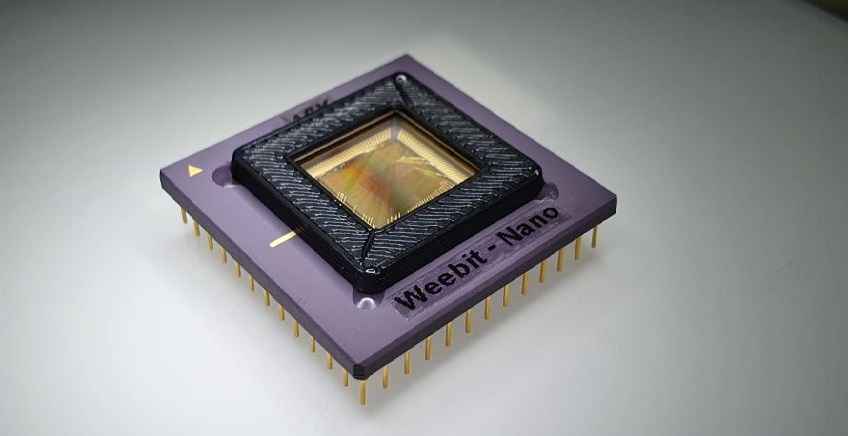
The deal sees TI adopt Weebit’s resistive random-access memory (ReRAM) technology into its advanced process nodes for embedded processing semiconductors. While commercial returns may be some time off, the partnership itself marks a major credibility win for the Israeli-Australian outfit.
As with many things in chip land, it’s what’s under the hood that counts. Weebit’s ReRAM is a type of non-volatile memory (NVM), meaning it retains data without power - a necessary feature for embedded systems in everything from IoT sensors to automotive ECUs. ReRAM is also faster, more scalable, and more power-efficient than legacy flash memory, which is fast approaching its physical and economic limits.
According to the announcement, the agreement encompasses intellectual property licensing, technology transfer, design, and qualification of ReRAM in TI’s process technologies. While the financial terms and potential royalties remain undisclosed - "not known at this time," per the filing - the strategic implications are clearer than ever.

Amichai Ron, Texas Instruments
“We are excited to collaborate with Weebit Nano to integrate ReRAM memory technology into our process technologies and products,” said Amichai Ron, Senior VP of TI’s Embedded Processing unit. “The collaboration will enable our customers to get access to industry-leading NVM technology in performance, scale, and reliability”.
From Weebit’s perspective, this isn’t just another handshake - it’s a marquee validation.
“TI is one of the world’s foremost integrated device manufacturers, producing tens of billions of chips every year,” said CEO Coby Hanoch. “This agreement is another strong signal that the industry is moving towards ReRAM as the successor to flash memory in SoC designs”.
That “successor to flash” narrative is one Weebit has been building steadily, positioning its ReRAM as a fab-friendly solution that avoids the costly equipment overhauls required by other next-gen memory technologies. With the ability to endure high temperatures (qualified to AEC-Q100 150°C), ReRAM is particularly well-suited to automotive and industrial-grade applications.
Still, investors looking for near-term revenue will need to be patient. The company has flagged that production orders and royalty payments are not expected until the medium term - and only at TI’s discretion. But in the notoriously cautious semiconductor sector, where adoption cycles can span years, a foot in the door at Texas Instruments is no small feat.
Weebit’s shares have ridden waves of investor enthusiasm over recent years, as the company has steadily progressed from lab-stage R&D to commercial traction. With licensing deals already in place with SkyWater Technology and Leti, and now this high-profile tie-up with TI, the company is methodically laying the groundwork for what could become a serious revenue pipeline.
While there’s no crystal ball in semiconductors - let alone ASX microcaps - Weebit’s latest deal cements its standing as a technology licensor that’s being taken seriously by the biggest names in the game.